Universitas Gadjah Mada UNIVERSITAS GADJAH MADA
FACULTY OF AGRICULTURE
DEPARTMENT OF FISHERIES
BACHELOR IN FISH PRODUCT TECHNOLOGY
  • Home
  • Publication
  • page. 2
Arsip:

Publication

Soaking Time in Lime Solution Increases the Antioxidant Activity, Antidiabetic Activity, and Consumer Acceptance Level of Sargassum Pol ycystum Seaweed Tea

Publication Thursday, 2 September 2021

Fatma Nadya Nursyamsi, Amir Husni*
Department of Fisheries Faculty of Agricultur e Universitas Gadjah Mada, Yogyakarta, Indonesia

Abstract:
The brown seaweed Sargassum polycystum contains bioactive compounds, including antioxidants and antidiabetes, letting it be a functional food ingredient such as seaweed tea. However, seaweed tea is less preferred by consumers because of its fishy smell, which must be reduced using various methods, including soaking in a lime solution. This study aims to determine the effect of the soaking time in lime solution on the antioxidant activity, antidiabetic activity, and consumer acceptance of S. polycystum seaweed tea. In this study, the seaweed was soaked in a lime solution at pH 5 at 85°C for 0, 4, 8, 12, and 16 minutes. Analysis was conducted on S. polycystum seaweed tea to obtain the moisture content, total phenol, antioxidant activity (inhibition of 1,1 diphenyl 2 picrylhydrazyl (DPPH), and ferric reduction antioxidant power (FRAP)), the inhibitory activity of α glucosidase, and consumer preference test using hedonic. The results show that the soaking time in the lime solution at pH 5 had no effect on the water content but had a significant effect (p<0.05) on the total phenol, antioxidant and antidiabetic activities and consumer preference of S. polycystum seaweed tea. The best treatment was obtained at 16 minutes of soaking time with a water content of 4.68 ± 0.12%, a total phenol content of 74.53 ± 0.59 mg GAE/g, a DPPH inhibitory activity of 52.70 ± 0.86%, a FRAP value of 123.94 ± 1.39 µM/g, an α glucosidase inhibitory activity 51.56 ± 0.70%, and consumer preference levels for appearance, color, flavor, taste and overall of 4.63 ± 0.74, 4.49 ± 0.75, 4.39 ± 1.07, 4.43 ± 1.03, and 4.49 ± 0.11, respectively.
read more

Characteristics and Cytotoxic Activity of Fucoidan from the Brown Seaweed Sargassum hystrix against MCF-7 Breast Cancer Cells

Publication Friday, 9 April 2021

Amir Husni, Bayu Pamungkas, Ellya Sinurat, Alim Isnansetyo

Abstract

Cancer is a disease that is considered a problem in the health sector. Cancer treatment methods still have side effects, so a safer alternative to anticancer treatment is needed. For example, fucoidan is a sulfated carbohydrate produced by brown seaweed and known to have a wide range of bioactivity, including anticancer activity. This study aimed to characterize fucoidan from the brown seaweed Sargassum hystrix and test its cytotoxic activity against the breast cancer cell line MCF-7. Fucoidan was extracted using distilled water at 85°C and characterized by determining the yield, total sugar, and total sulfate contents and analyzing its functional groups. Fucoidan was then subjected to a cytotoxic activity test on MCF-7 breast cancer cells based on an MTT method. Results demonstrated that S. hystrix fucoidan had a yield of 6.77% ± 1.47%, total sugar content of 69.35% ± 5.83%, and a sulfate content of 26.5% ± 2.73%. Functional group analysis revealed the existence of ester and sulfate in the extract, indicating the fucoidan content. Fucoidan elicited cytotoxic effects on MCF-7 breast cancer cells and had IC50 of 555.54 µg/mL. Fucoidan-exposed cancer cells shrank. They were round and had a limited spread pattern. Thus, S. hystrix fucoidan has an anticancer activity and should be further scrutinized as a potential alternative cancer therapy. read more

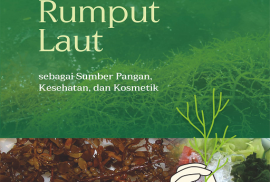
Dr. Amir Husni and Dr. Siti Ari Budhiyanti published new book “Rumput Laut sebagai Sumber Pangan Kesehatan dan Kosmetik”

NewsPublication Saturday, 6 March 2021

Dr. Amir and Dr. Sita published new book with tittle “Rumput Laut sebaga Sumber Pangan Kesehatan dan Kosmetik” or Seaweed as food, health and cosmetics source. Published on January 27, 2021.

Sargassum hystrix as a Source of Functional Food to Improve Blood Biochemistry Profiles of Rats under Stress

Publication Saturday, 6 February 2021

Amir Husni, Radipta Lailatussifa, and Alim Isnansetyo

Abstract

This study was conducted to determine the influence of Sargassum hystrix powder (SHP) as an alternative source of functional food for treating in vivo stress by measuring levels of glucose, triacylglycerol, total cholesterol, and cortisol, and liver histopathology. Wistar rats aged 3 months and weighing 150~200 g were divided into 7 groups: normal control, fasting control, negative control (stress without adaptogen), and 4 experimental conditions (stress+0.18 mg/kg diazepam, stress+450 mg/kg pellet, stress+mixture of pellet with SHP 450 mg/kg, and stress+450 mg/kg of SHP). Intake of liquids and and body weight were measured daily. Blood samples were collected on day 0 (baseline), day 5, and day 10 to analyze levels of glucose, triacylglycerol, cholesterol, and cortisol. On day 10, rats were euthanized and livers were collected to observe the severity of inflammation. The results indicated that rats receiving SHP 450 mg/kg and the mixture of pellet with SHP 450 mg/kg showed a similar ability as those receiving diazepam 0.18 mg/kg to cope with stress, indicated by an improvement in all blood biochemistry parameters. Supplementation with SHP 450 mg/kg can be used as an alternative source of functional food for overcoming oxidative stress, as indicated by its ability to improve levels of blood glucose, triacylglycerol, total cholesterol, and cortisol, and to improve liver histology by decreasing severity of liver inflammation. read more

Antioxidant Activity and Proximate Analysis of Dry Powder from Brown Seaweed Sargassum hystrix

Publication Friday, 22 January 2021

Radipta Lailatussifa, Amir Husni, and Alim Isnansetyo

Abstract

This research aims to know antioxidant activity, total phenolic, nutrient, and screening phytochemistry compounds of S. hystrix dry powder. Water extract from the dried sample of brown algae (S. hystrix) was prepared and examined for its phenolic compounds. The amount of total phenolic compounds in water extract was about 11.43 g Gallic Acid Equivalent (GAE)/100 g of dry basis sample, as measured by using Folin-Ciocalteu method. The antioxidant activity (Radical Scavenging Activity/RSA) of BHT as a standard was high about 96% inhibition of radical DPPH with 1 mg dry sample/ml solvent. The IC50 of the BHT was 0.227 ± 0.001 mg of dry sample/ ml solvent. While the radical activity (RSA) of S. hystrix dry powder was about 65.28% at 1 mg dry sample/ml solvent. The IC50 of S. hystrix dry powder was 0.616 ± 0.005 mg of dry sample/ml solvent. Nutrient contents and bioactive compounds of dry powder S. hystrix were balanced to support antioxidant activity of the sample. The results suggest that this alga is a potential source of natural antioxidant.

Keywords: Antioxidant activity; Sargassum hystrix dry powder; phytochemistry; the phenolic; compound nutrient contents

Jurnal Perikanan Universitas Gadjah Mada 19 (1): 29-37 Full text

Antidiabetic Activity of Sargassum hystrix Extracts in Streptozotocin-Induced Diabetic Rats

Publication Friday, 22 January 2021

Theodora Linggaryati Gotama, Amir Husni, and Ustadi

Abstract

The objective of this research was to determine the potential effects of Sargassum hystrix extracts (SHE) on the glucose levels, lipid profile, and pancreas of streptozotocin (STZ)-induced diabetic rats. SHE at 200, 300, and 400 mg/kg was administered orally to STZ-induced diabetic rats once daily for 15 days. Glucose levels, lipid profile, and weight of rats were measured in the normal state and on the 15th day. The histology of the pancreas was observed on the 15th day. The results showed that the preprandial and postprandial glucose levels in the group treated with SHE at 300 mg/kg were significantly reduced compared with those of the diabetes group. Additionally, the levels of triglycerides and cholesterol in the 300 mg/kg SHE group were significantly different from those in the diabetes group. However, the levels of high-density lipoprotein cholesterol and low-density lipoprotein cholesterol across the treatment groups did not have significant differences. Necrosis was found in all STZ-induced rats. SHE at a dose of 300 mg/kg had the best capability to lower the levels of preprandial and postprandial glucose and to prevent necrosis in diabetic rats. read more

Growth Rate and Histamine Production of Klebsiella sp. CK02 Isolated from Skipjack Tuna Compared with Morganella morganii ATCC 25830 at Various Incubation Temperatures

NewsPublication Wednesday, 22 April 2020

Growth Rate and Histamine Production of Klebsiella sp. CK02 Isolated from Skipjack Tuna Compared with Morganella morganii ATCC 25830 at Various Incubation Temperatures

Aldino Dityanawarman, Indun Dewi Puspita, Susana Endah Ratnawati, Nurfitri Ekantari, and Mark Tamplin

Abstract

One of an important quality parameter in tuna is the level of histamine content. The contamination of histamine in tuna is mainly due to the activity of histidine decarboxylase produced by the bacteria. A rapid growth of histamine producing bacteria is correlated with the practice of temperature abuse during handling. This study aimed to develop predictive growth modeling of two histamine-producing bacteria in the function of temperature. The growth and histamine production of Klebsiella sp. CK02 and Morganella morganii ATCC 25830 at various temperatures were measured in tryptic soy broth histidine (TSBH) and tuna fish infusion broth (TFIB) growth media. Broths were incubated at 4°C and 15°C for 7 days, and at 30°C and 40°C for 24 hours. The Baranyi and Roberts model was used with DMFit to determine primary growth kinectics, and the Ratkowsky square root model to describe bacterial growth rate as a function of temperature. Histamine production was enumerated by the apparent yield factor (pYhis/ CFU) value. Growth rate increased with temperature, with a maximum rate at 40°C for Klebsiella sp. CK02 (0.740 log CFU/h) and M. morganii (0.578 log CFU/h). The Tmin for Klebsiella sp. CK02 in TFIB was -8.9°C, indicating better survival in low storage temperature, compare to M. morganii ATCC 25830. In addition, Klebsiella sp. CK02 produced a lower pYhis/CFU at 15 and 30°C compared to M. morganii ATCC 25830.
Keywords: growth rate, temperature, histamine, Klebsiella sp. CK02, M. morganii ATCC 25830 read more

Comparison of Formulation Methods to Produce Nano-Chitosan as Inhibitor Agent for Bacterial Growth

Publication Tuesday, 11 February 2020

Prihati Sih Nugraheni, Alexander H. Soeriyadi, Ustadi Ustadi, Wahyudi Budi Sediawan, Wiratni Budhijanto

Abstract

Chitosan is known as an antibacterial agent. The effective surface area ratio of chitosan can be increased by modification into nanoparticles. Nano-chitosan can be prepared with several simple methods, i.e. precipitation, ionic gelation, or the polyelectrolyte complex method. This study compared these three methods in terms of the targeted product characteristics, i.e. stability of the average nanoparticle size as well as the colloidal dispersion, and the antibacterial characteristics. All three methods resulted in nanoparticle formation, but in the precipitation method significant zeta potential reduction was observed due to the presence of negative ions from the alkali that neutralized the chitosan amine group. The ionic gelation method yielded higher zeta potential and higher inhibition of bacterial growth than those yielded by the polyelectrolyte complex method. Ionic gelation and the polyelectrolyte complex method resulted in much better colloidal dispersion stability than the precipitation method, where a significant particle size increase was observed after one week of storage. This result indicates that both ionic gelation and the polyelectrolyte complex method can be used for forming nano-chitosan for the purpose of food preservation. However, for fishery products it is advisable to use the polyelectrolyte complex method because the TPP usually used in ionic gelation is not allowed to be applied to fish. read more

Increasing Chitinase Activity of Serratia marcescens PT-6 through Optimization of Medium Composition

Publication Tuesday, 11 February 2020

Akhmad Awaludin Agustiar, Imas Faturrohmah, Bekti Wulan Sari, Nurul Binti Isnaini, Indun Dewi Puspita, Triyanto Triyanto, Amir Husni, and Ustadi Ustadi

Abstract

Chitin hydrolysate is one of the value added product derived from shrimp shell waste. Production of chitin hydrolysate using biological process offers an environmental friendly method compared to chemical process. Serratia marcescens PT-6, a gram negative chitinolytic bacterium isolated from shrimp pond sediment, shows good activity in hydrolyzing chitin. This study aimed to improve the chitinase activity of S. marcescens PT-6 culture by optimizing the component of chitin-containing medium (additional nitrogen source, additional carbon source, and colloidal chitin). The optimization of chitinase by S. marcescens PT-6 culture was done using one variable at a time method. The sequence of the research were to optimize 1) the type of additional carbon source (glucose, lactose, sucrose, and starch), 2) the type of additional nitrogen source (yeast extract, peptone, ammonium sulphate, and ammonium chloride), 3) the concentration of colloidal chitin (0.5; 1; 1.5; 2; and 2.5%), and 4) the concentration of the additional carbon and nitrogen source. The culture of S. marcescens PT-6 was incubated in colloidal chitin medium at 30 oC and chitinase activity from culture supernatant was analyzed. The results showed that starch gave the highest chitinase activity compare to other carbon source, meanwhile yeast extract was chosen as the best nitrogen source among others. The combination of 1.5% colloidal chitin with 0.5% starch and 0.1% yeast extract in medium increased the chitinase activity of S. marcescens PT-6 to 0.021 U/ml. These results indicated that an appropriate medium composition could increase the chitinase activity produced by S. marcescens PT-6 culture.

Keywords: chitinase, colloidal chitin, S. marcescens PT-6, starch, yeast extract

full text

Occurrence of chitinolytic bacteria in shrimp rusip and measurement of their chitin-degrading enzyme activities

Publication Sunday, 22 January 2017

Indun Dewi Puspita, Ari Wardani, RR. Oki Arum Puspitasari, Prihati Sih Nugraheni, Mgs. Muhammad Prima Putra, Sri Pudjiraharti, and Ustadi

Abstract

The objectives of this research were to isolate chitinolytic bacteria from shrimp rusip (an Indonesian traditional fermented shrimp product), identify bacterial isolates showing high chitinolytic activity, and determine the chitinolytic activity of these isolates. There were 44 chitinolytic bacteria isolated from shrimp rusip: 39 isolates of Gram-positive bacteria and 5 isolates of Gram-negative bacteria. The quantitative method we used to evaluate chitin-degrading enzyme activity measured the amount of N-acetylglucosamine produced from the reaction of crude enzyme and colloidal chitin. Seven isolates showing highest chitinolytic activity were Bacillus cereus (KKT 1, KKT 14, and KKT 19), Bacillus thuringiensis (KKT 6), Enterobacter cloacae (LCK 20), Pseudomonas stutzeri (LCK 17), and Stenotrophomonas maltophilia (THK1). The highest chitinolytic activity showed by KKT 1, KKT 6, KKT 14, KKT 19, and THK 1 were 0.0016 U/mL (at 72 hours); 0.0018 U/mL (at 48 hours); 0.0019 U/mL (at 48 hours); 0.0033 U/mL (at 48 hours); and 0.0032 U/mL (at 24 hours), respectively. Keywords: chitinase activity, chitinolytic bacteria, shrimp rusip Biodiversitas 18: 1275-1281. Full text
12

Link

 aspirations and feedback
aspirations and feedback


Recent Posts

  • FPT-SP lectures got best presenter award
  • Impact of Enzymatic Hydrolysis on Antioxidant Activity of Snakehead Fish (Channa striata) Head Protein Hydrolysate
  • Production, purification and characterization of chitinase from Micromonospora sp. AR17
  • In Vitro α-Amylase and α-Glucosidase Inhibitory Activity of Green Seaweed Halimeda tuna Extract from the Coast of Lhok Bubon, Aceh
  • Optimization Concentration of Irgacure® 2959 as Photo-initiator on Chitosan-Kappa-Carrageenan Based Hydrogel for Tissue Sealant

Archives

Universitas Gadjah Mada

Jl. Flora Gedung A4, Bulaksumur,

Caturtunggal, Kec. Depok, Kabupaten Sleman,

Daerah Istimewa Yogyakarta 55281

(0274) 551218
fish@ugm.ac.id

Download

Module Handbook

Manual Procedure Examination

Manual Procedure for Field Work

Manual Procedure for Undergraduate Thesis

Student Community Cervices Guide Book

Leaflet

Indonesian Society for Fisheries Processing Technology

Go to Website


Journal of Fisheries Sciences

Go to website


© Universitas Gadjah Mada

KEBIJAKAN PRIVASI/PRIVACY POLICY